One shoot.
Five deliverables.
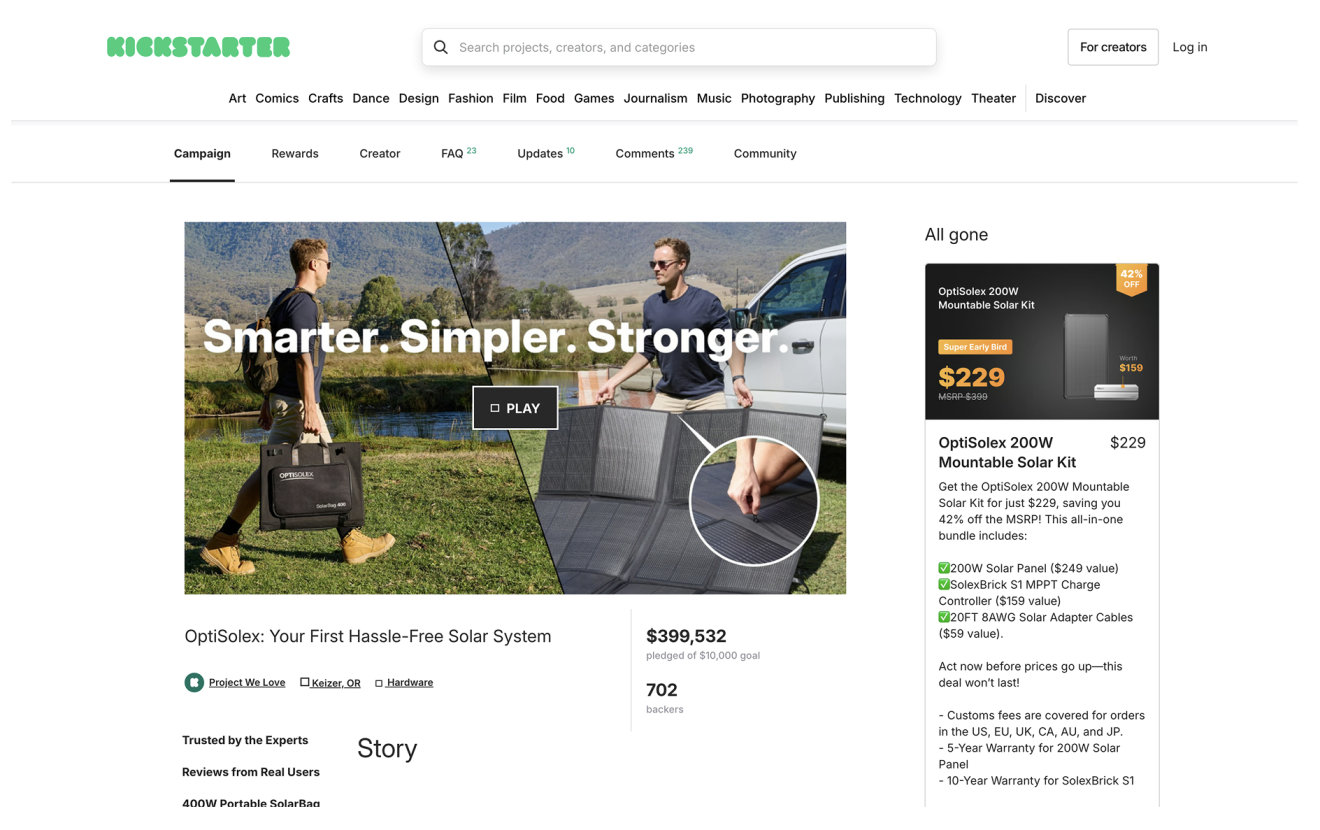
Reuse starts at the script. How one planned shoot in Australia produced the full asset suite behind a $393K Kickstarter campaign.
Launch date locked. Video assets at zero.
There's an awkward vacuum before every crowdfunding launch: you have nothing, but you need everything — brand videos, a product film, photos, GIFs, ad creatives. And your product might not even be in mass production yet.
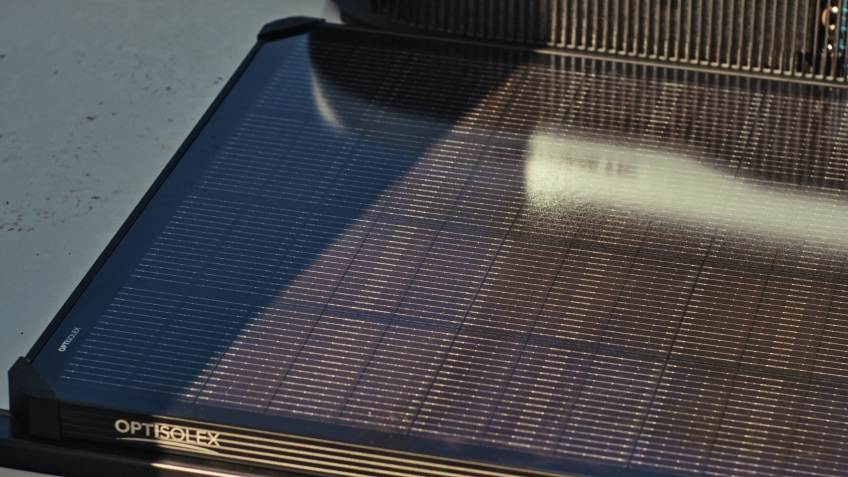
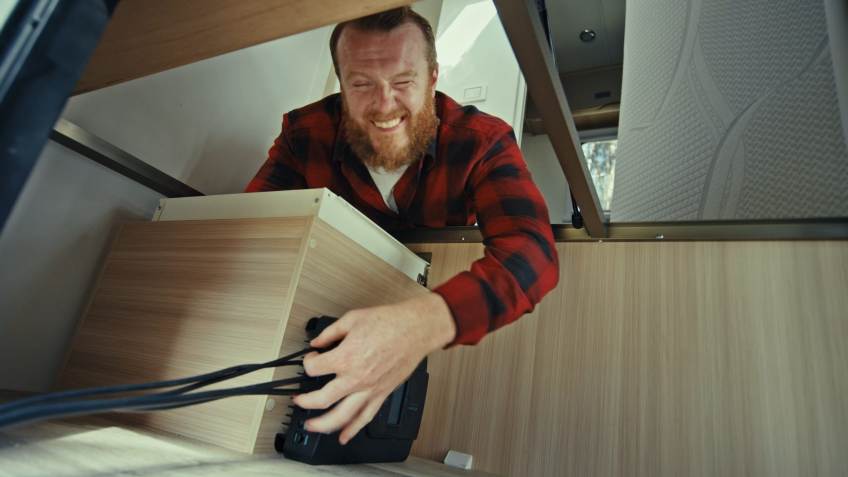
That was exactly where OptiSolex was. Their core product, the SolexBrick S1, is a modular MPPT controller that solves a well-known solar problem: when one panel is shaded, traditional systems drag down the entire array's output. The S1 lets each panel operate independently. Smart product logic — but a solar charge controller is invisible. It doesn't speak for itself the way a camera or a car does.
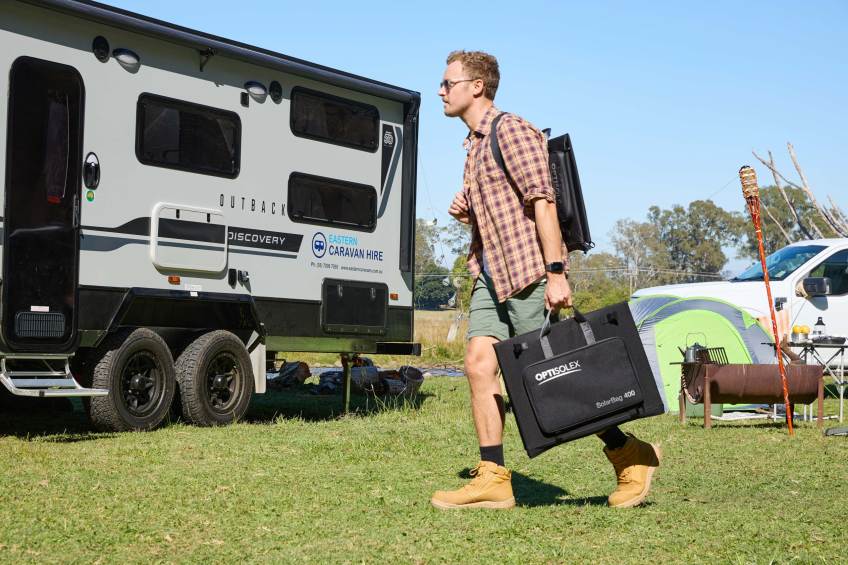
From two and a half days of shooting in Melbourne, we delivered 4 Before & After brand clips, a 60–90 second functional product film, 30+ product stills, and every GIF and visual asset their crowdfunding page needed. Same locations, same cast, same trip.
Watch the work
Planning for reuse from day one
The brand clips and the functional film had completely different tones. One demands emotional impact. The other demands information density. Treating them as separate productions would mean shooting the same locations twice.
So the planning principle was set at the script stage: share locations, reuse footage, and let editing differentiate the tone.
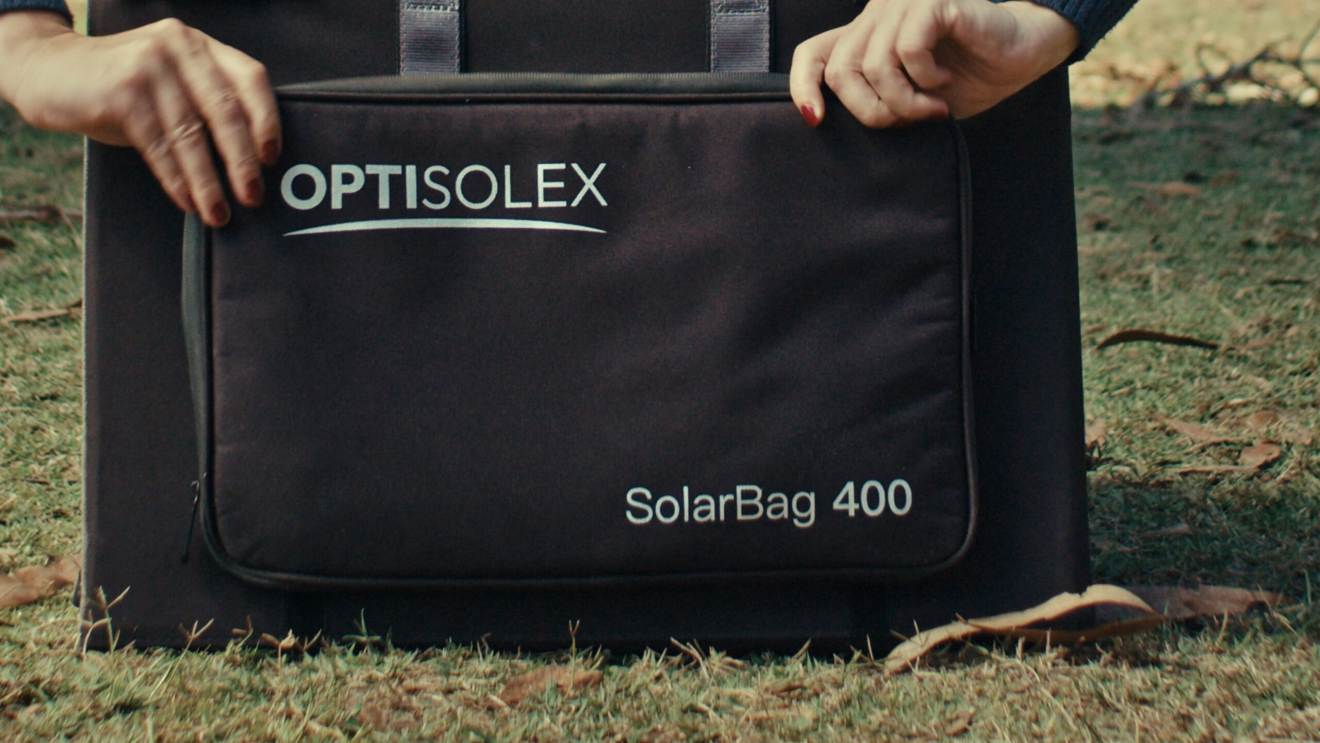
Brand clip #3 covers anti-shading; the functional film covers it too. Same setups, different editing layers — the brand clip needs the visual punch, the film needs the presenter and VFX. Shots serving both were tagged at the scripting stage.
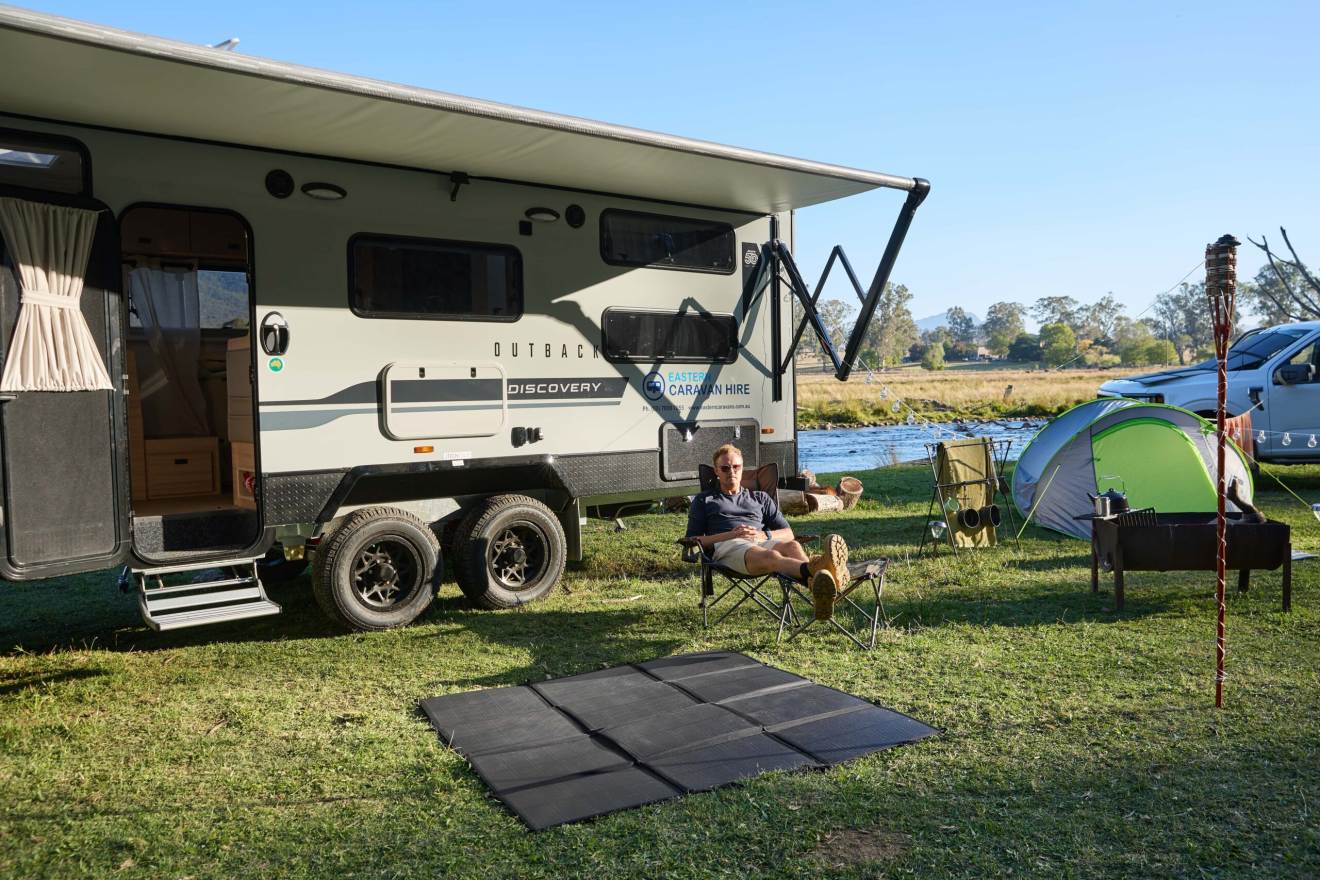
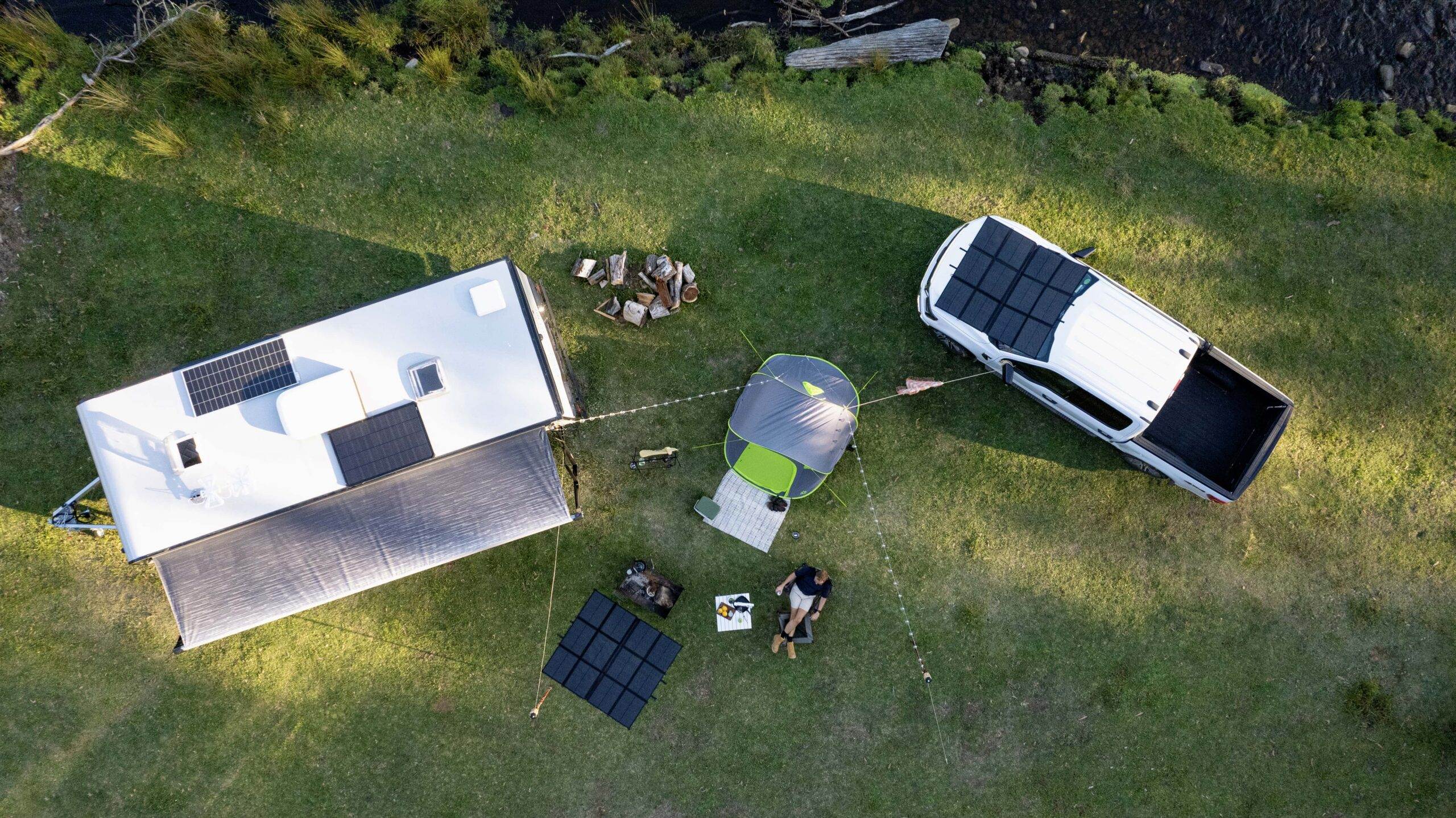
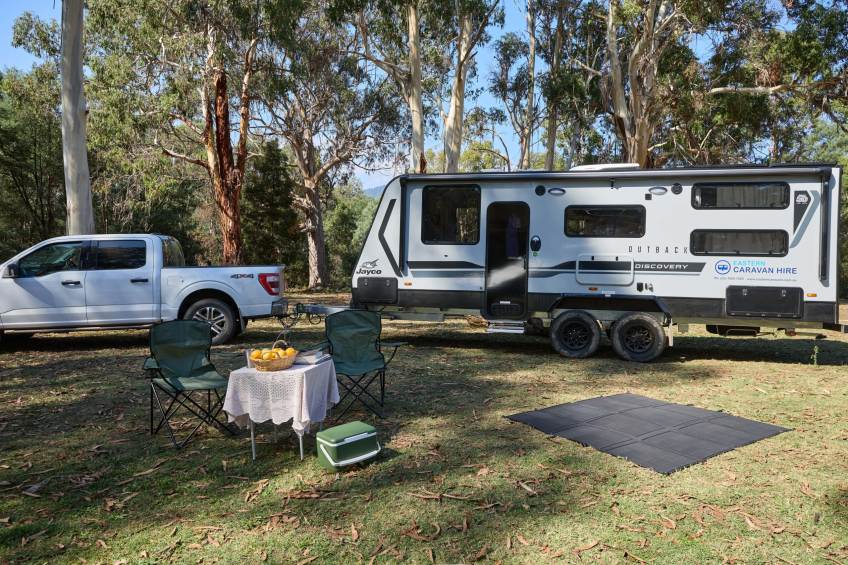
At the lakeside National Park, we shot every shot from both films that required that setting in one session. A more complex shot list on the day — far cheaper than another shoot day.
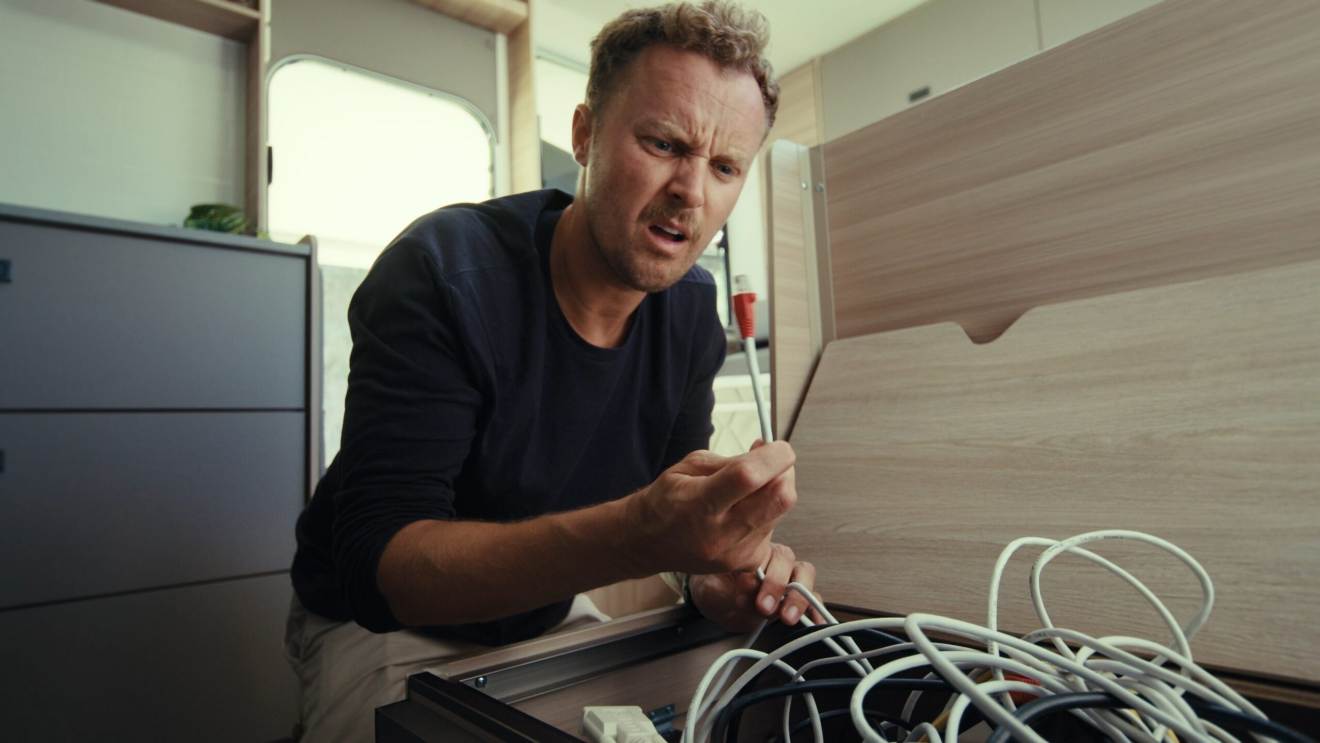
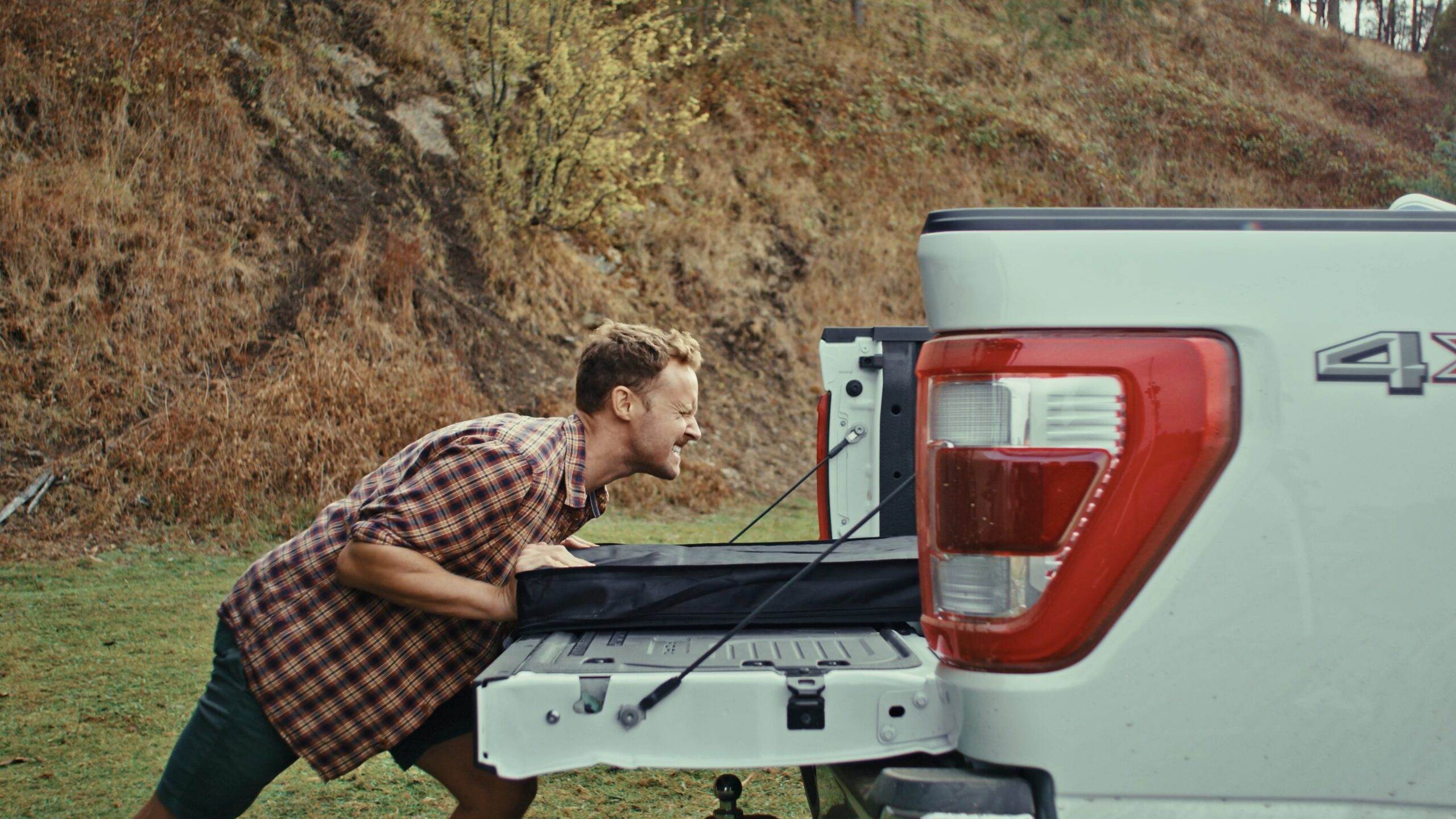
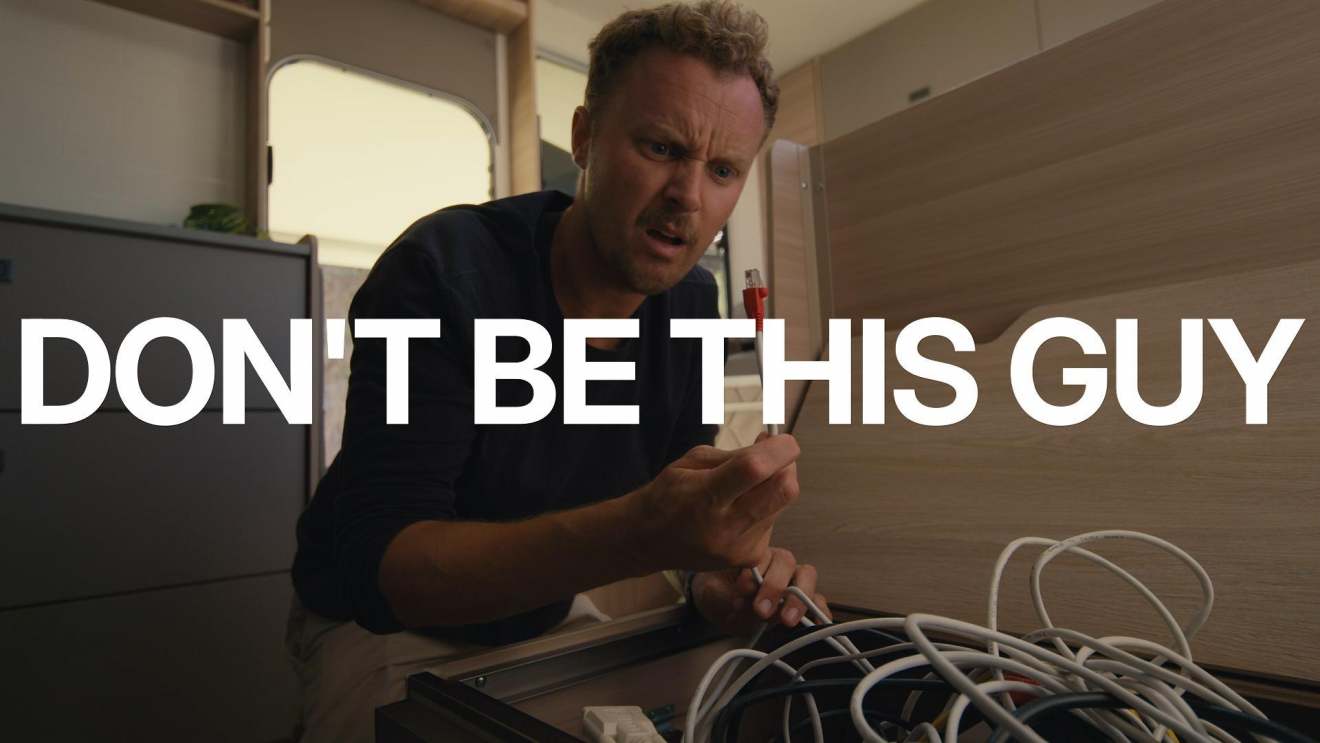
Heavy panels, tangled cables, dropping efficiency — one set of Before shots fed the brand clips, the film's opening, and the crowdfunding page's comparison GIFs. Product stills followed the same logic, captured between camera moves.
This approach sounds simple. Executing it requires thinking it through at the scripting stage. If you only realize on set that "this shot could work for the functional film too," that's not planning — that's luck.
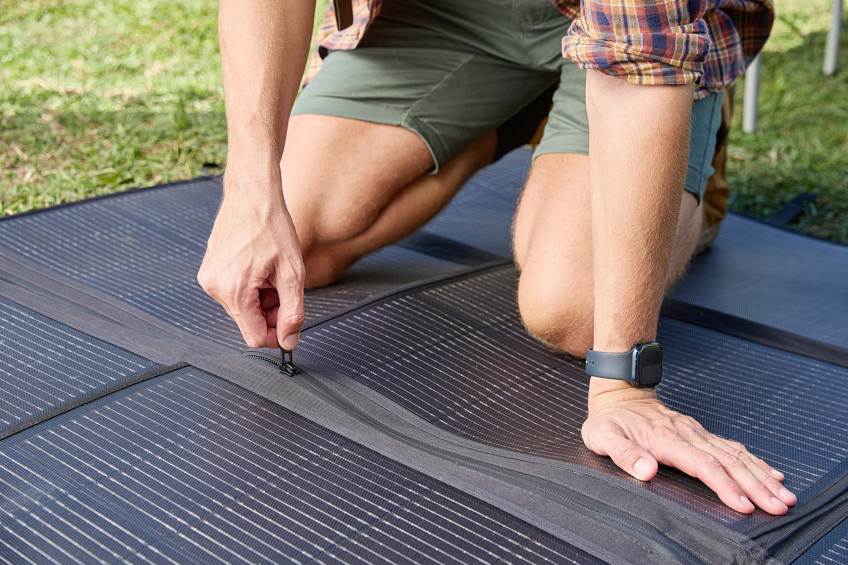
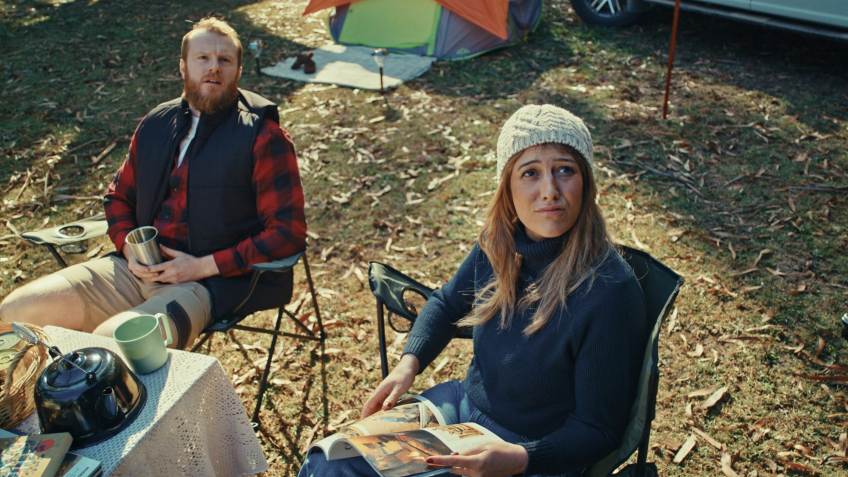
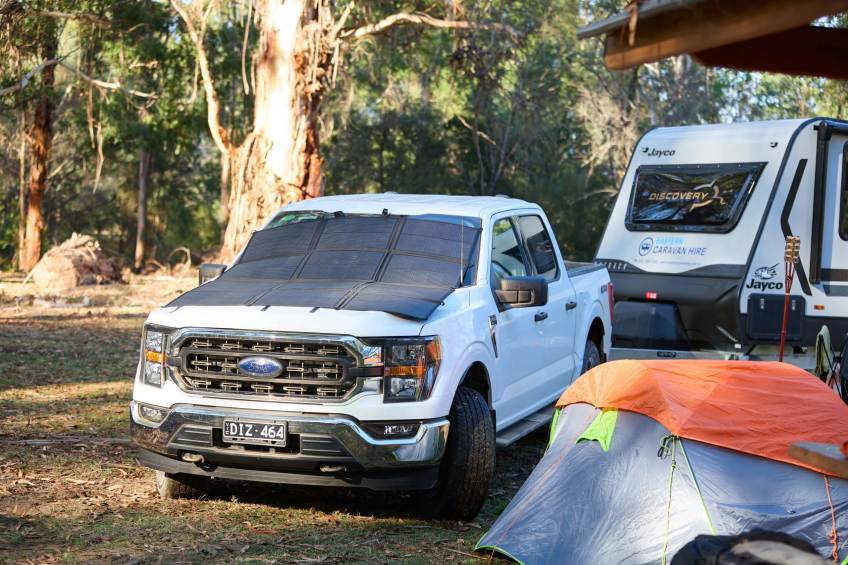
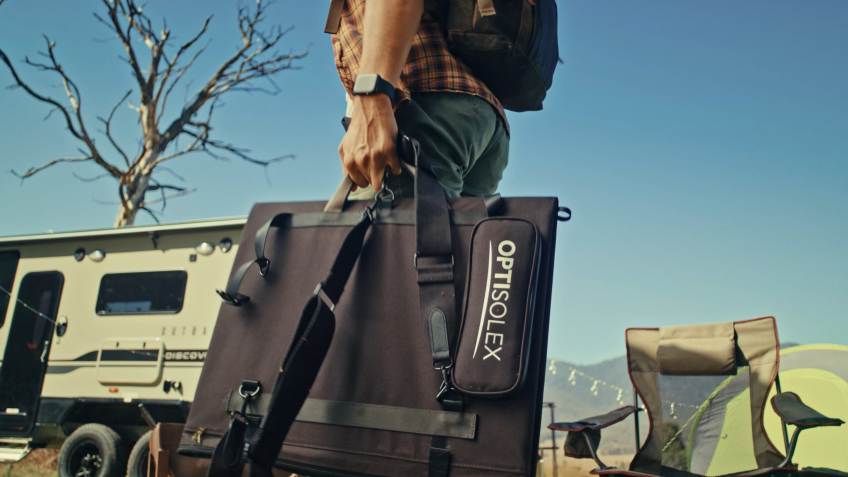
Shooting in Australia for a global audience
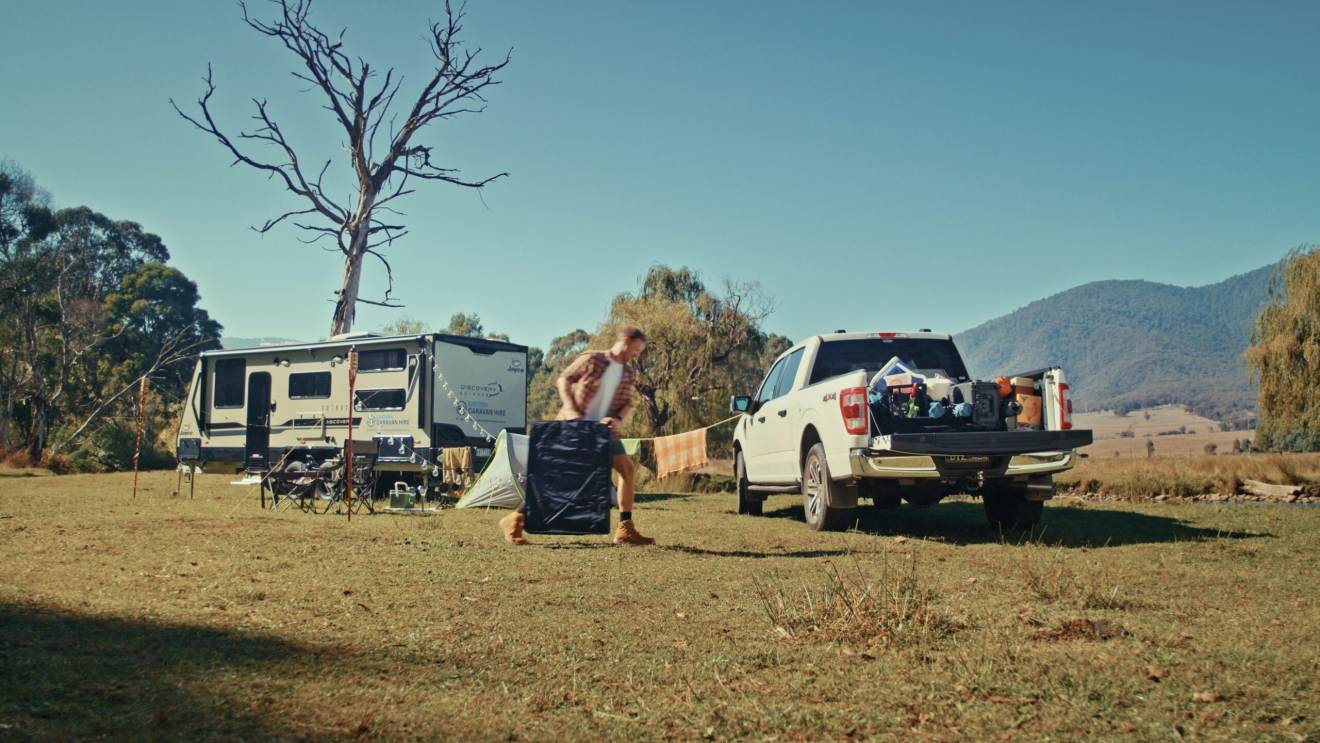
OptiSolex is based in Oregon. Their audience is RV owners, overlanders, and campers across North America and Australia. Melbourne's surrounds have all of this — same trucks, same RVs, same camping chairs. The footage slots into a US-facing Kickstarter page without friction — shot by a team already on the ground, inside the culture it's portraying.
Like every pre-launch shoot, this one ran on engineering samples — standard for crowdfunding, and it demands a production team that can adapt. When one sample behaved unexpectedly mid-shoot, we stopped, pulled the product engineer into a remote call, switched to the backup unit, and adjusted the setup workflow so it wouldn't recur. The sequence was back on track within the hour.
The client verified product operation in real time by video call from Oregon. Melbourne in April meant roughly 7–8 hours of effective shooting per day. All shots for 4 brand segments, the entire functional film, and product stills — within that window.
Reuse starts at the script, not in the asset library.
The Before & After structure was right for crowdfunding: users have no frame of reference for a new product category, so each clip names one pain, then shows the fix. And "one shoot, multiple deliverables" is not an efficiency trick — it's a planning discipline. If the script wasn't written for reuse, no amount of digging through footage in post will produce anything better than "it'll do."
The campaign closed at 3,931% of goal.
OptiSolex's Kickstarter raised $393,149 from 702 backers. The product is now in mass production and shipping.
Every touchpoint of the campaign — brand clips, functional film, product stills, page assets — traces back to one script, one plan, one shoot. That's what planning for reuse looks like when it works.