A new species
goes global.
The living digital system behind Spark — a high-speed camera that created its own category. Site, community, commerce, CRM. Still running. Still changing shape.
Nobody searches for a product they can't imagine owning.
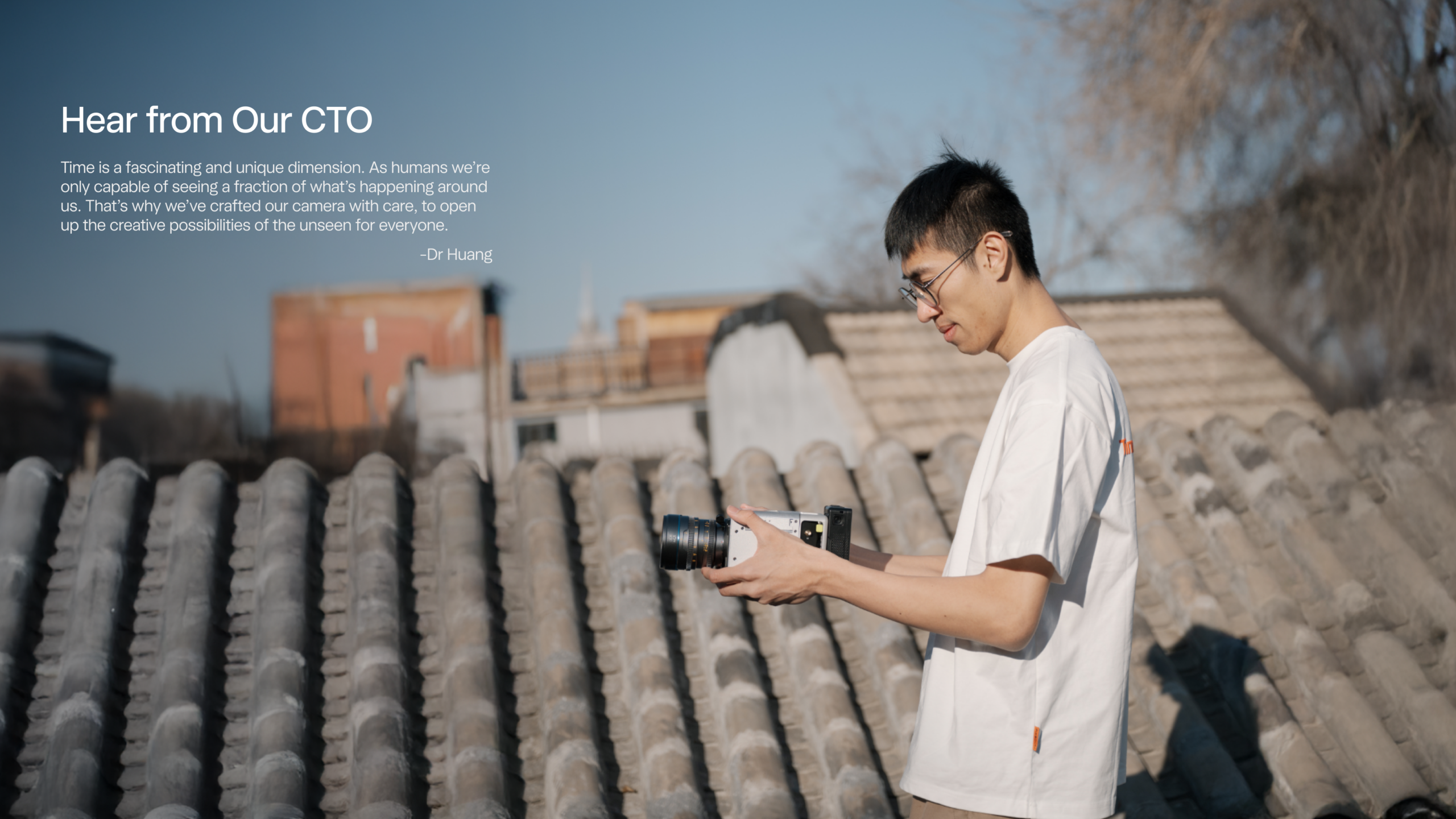
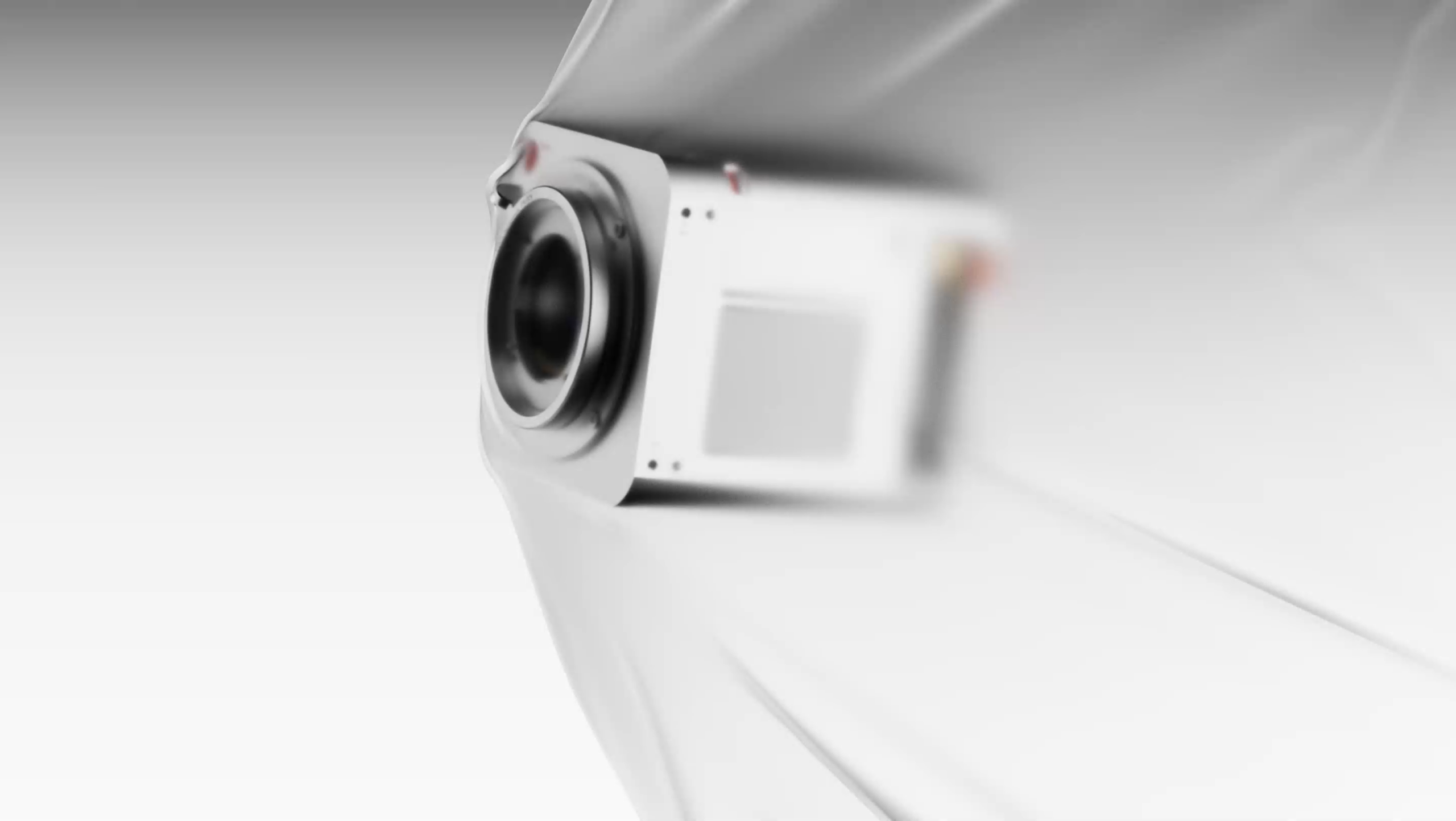
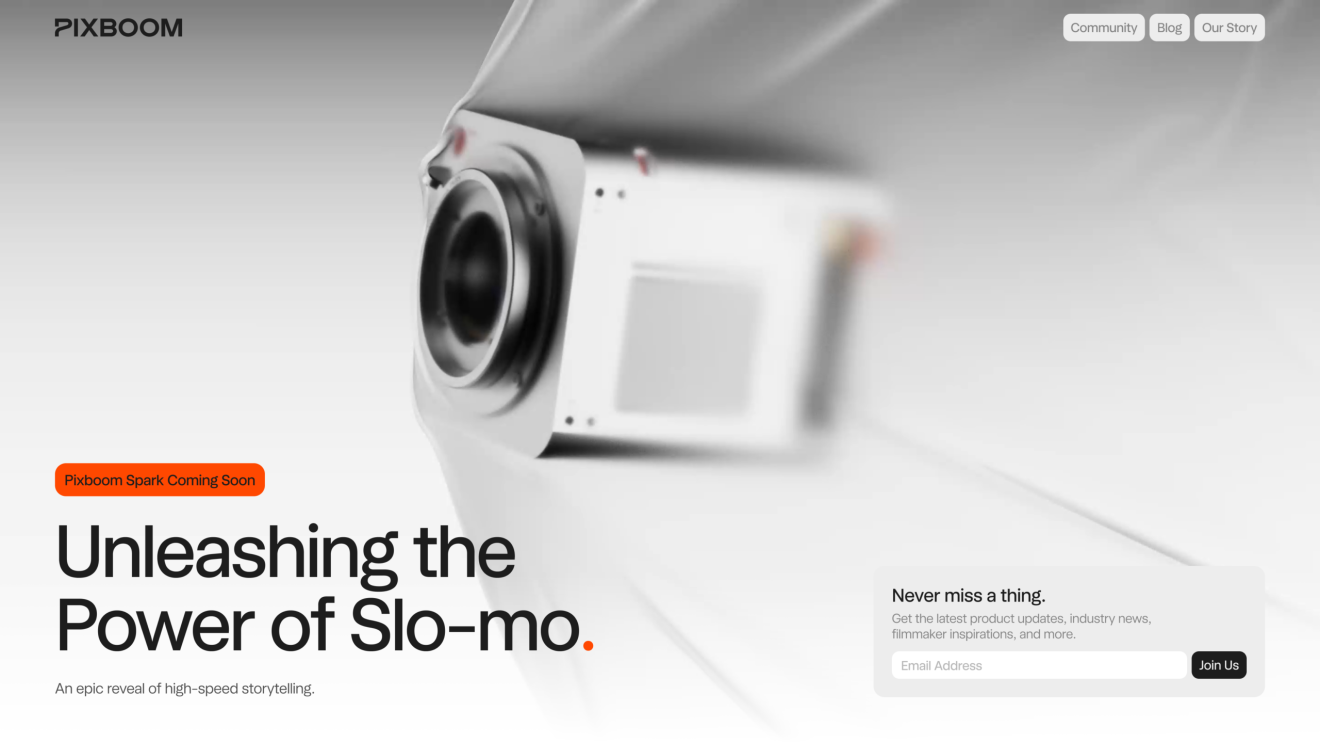
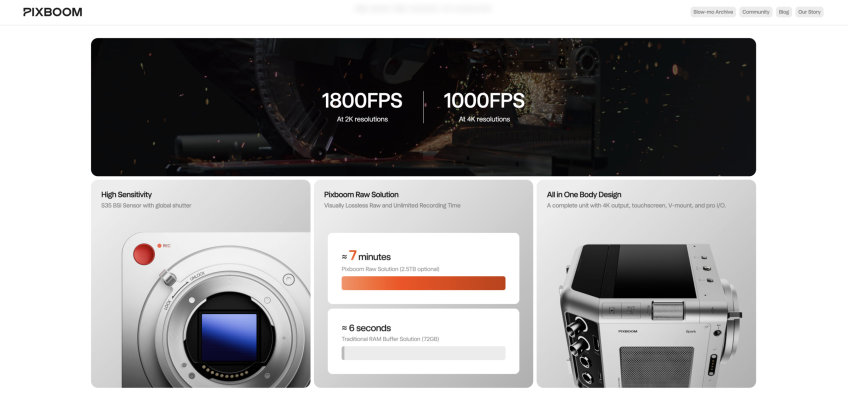
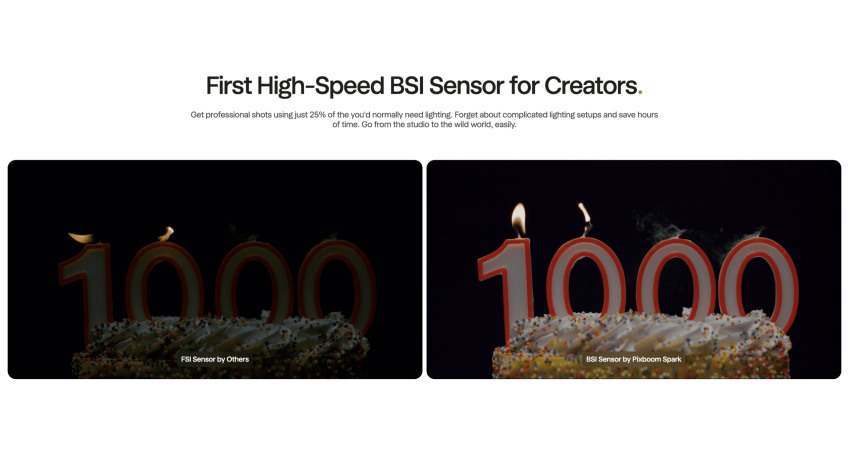
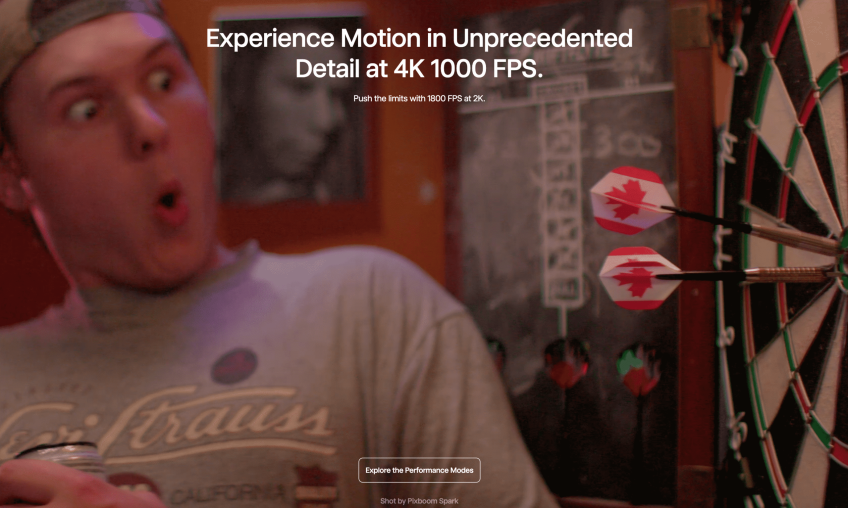
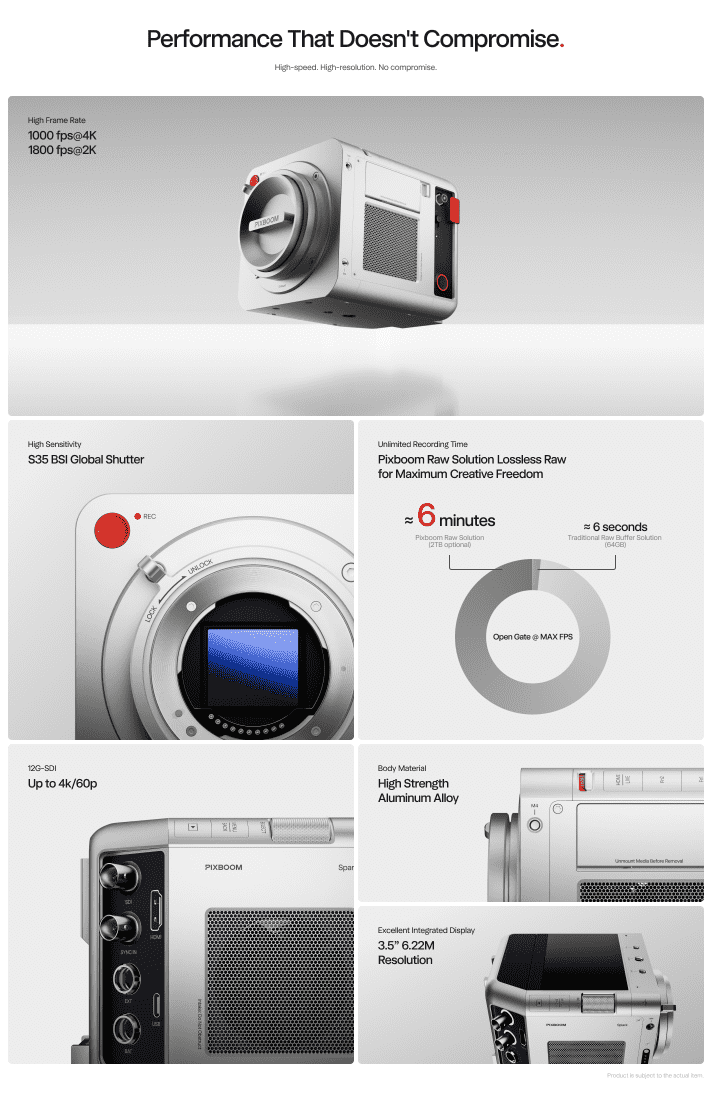
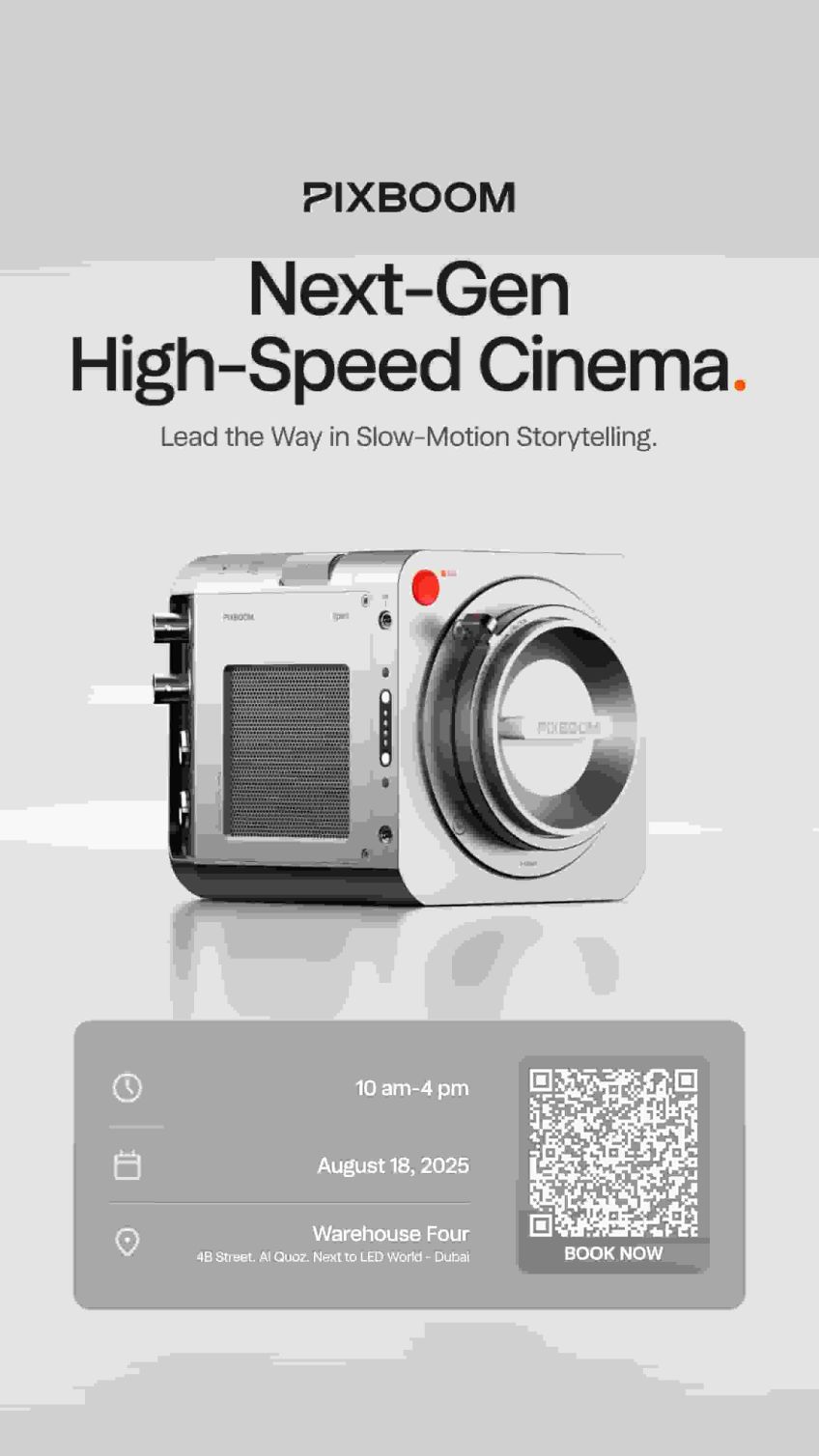
Spark is a 4K 1000fps camera that weighs 1.1kg and records RAW without limits — high-speed imaging a creator can own, not rent by the day. A new category, which means no category page to compete with, no search demand to intercept. Before conversion comes imagination: people first have to see that this is something they can do now.
See the system.
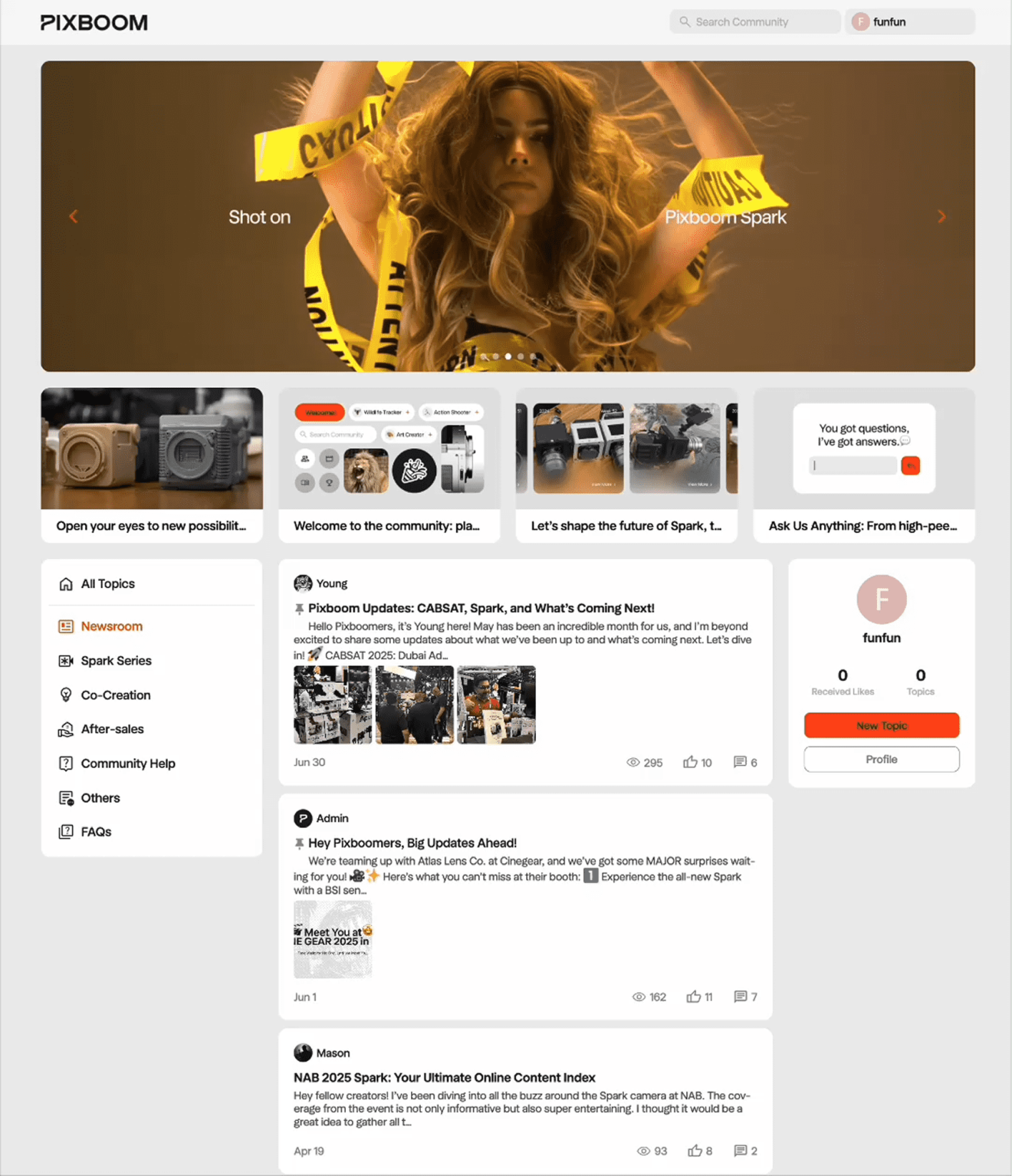
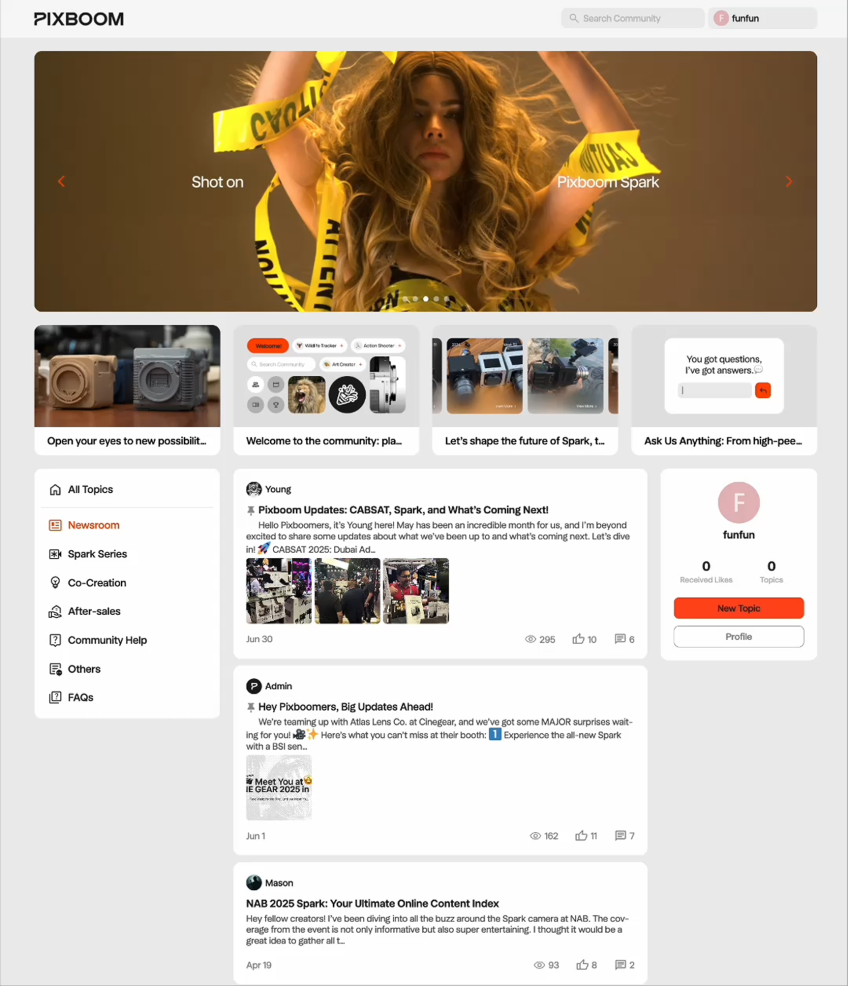
A forum that doesn't feel like a forum.
Discourse under the hood — but fully brand-customized: visuals unified with the site, interactions tuned to the brand. Almost nobody does this in the Discourse ecosystem. Clicking from the site into the community never feels like leaving.
The CEO posts development progress and answers questions in the open. Real progress, real problems, real discussion — trust no ad budget can buy.
The work is the argument.
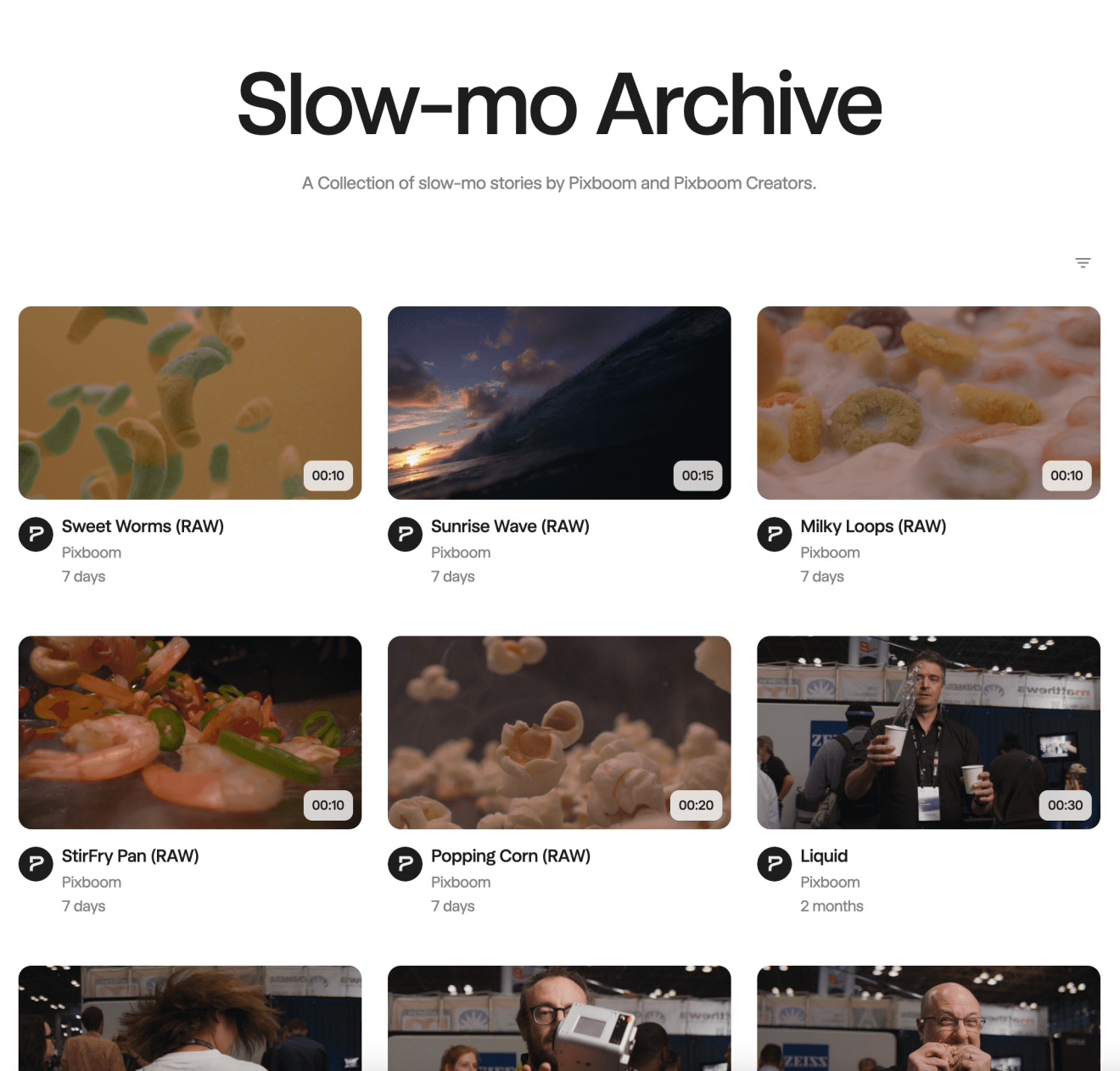
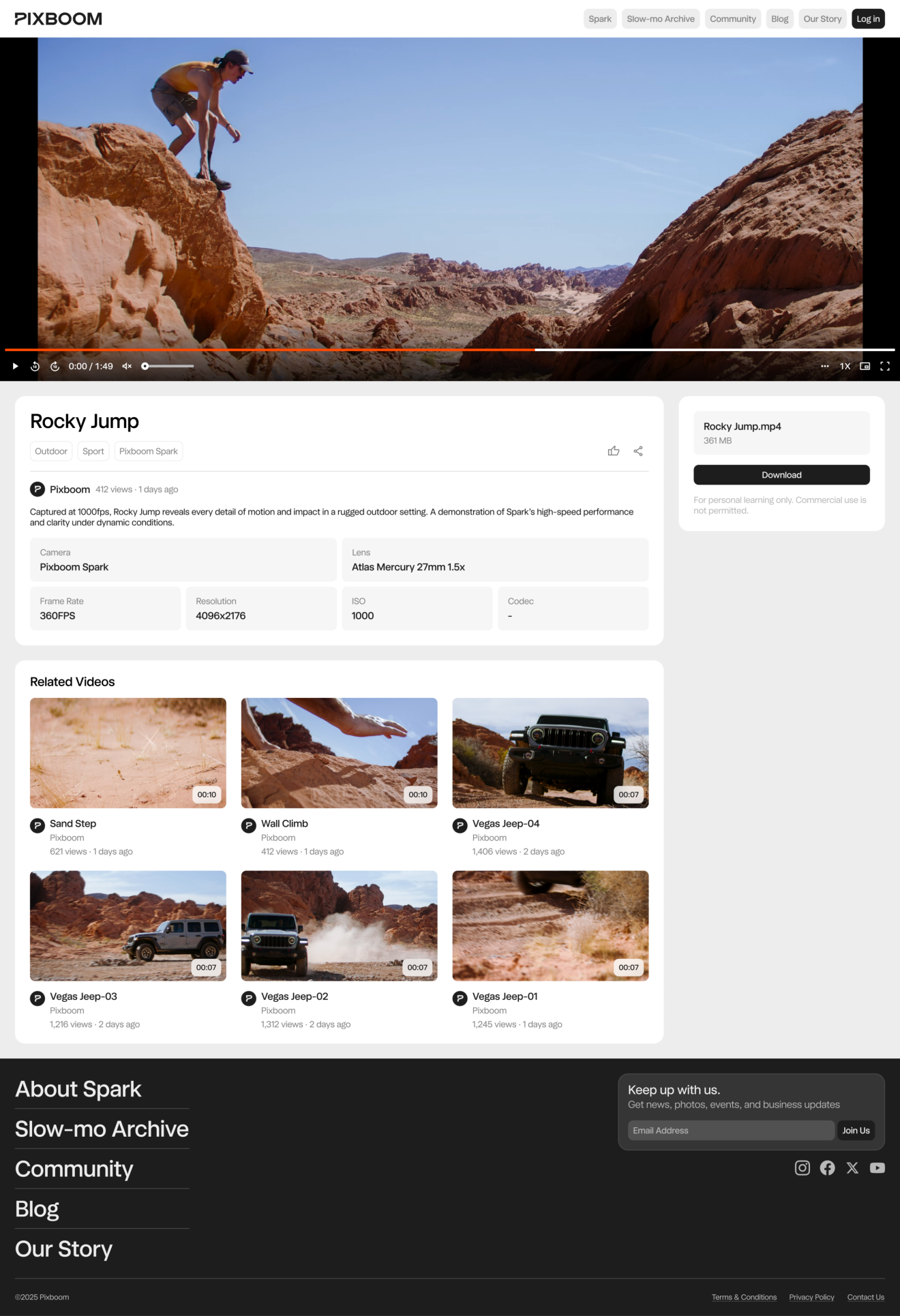
A custom-built archive of footage shot on Spark. Browse the work; log in and download the original files to judge the image yourself. Behind it: video encryption, gated permissions, download management, a full publishing pipeline. A spec sheet tells you so much — a 1000fps original is a different order of persuasion.
Not a delivery. A standing team.
This system has never stopped since launch. It isn't a project — it's infrastructure with a team behind it that knows the business and re-shapes the system at every turn. The log so far:
The first digital touchpoint isn't the website — it's the community. For creators who buy on peer discussion, not ads, the earlier that place exists, the better. By Kickstarter day the forum holds a base of users who deeply understand the product: not a cold start, a long-warmed conversion.
Product still in R&D. The site's only job: make clear who Pixboom is and what they're building. No commerce — a window, opened before there's anything to sell.
Pay $100 now, credit $500 at the campaign. Not a payment page — a filter. Whoever pays $100 for a camera that doesn't exist yet is a real high-intent user. This group became the Kickstarter's core backer base.
The camera sells on Kickstarter; the site pivots to accessories — storage, adapters, bundles. Not standard SKUs: users combine colors and specs, so we built a custom flow where every combination happens in one interface, no cart round-trips.
Campaign closed, formal presale open. Product story and checkout merge into one page: scroll the narrative, add camera and accessories in place, check out without leaving. Understanding to order — one continuous line.
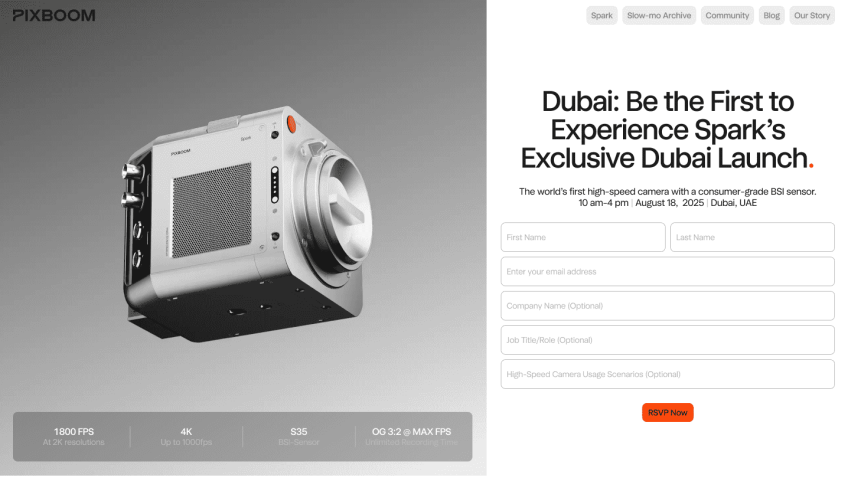
A landing page for every show — NAB, IBC, Cine Gear, Dubai — serving booth sign-ups and paid traffic at once, with per-channel content and fast A/B tests. Every touchpoint lands in one CRM; automated follow-up starts from the first touch. The blog and the Archive keep growing — every new piece repeating the same message: this camera is real, and this is what it shoots.
Every customization stays inside the platform's rules — the core architecture is never touched, so the system upgrades when the platform does. That's the difference between infrastructure that evolves for years and a site that becomes technical debt in two.
Community first. Content second. Commerce third. By design, not by budget.
A Spark buyer spends weeks doing homework — forum threads, original footage, peer conversations. No ad compresses that. But a digital system can carry it: the community hosts the discussion, the site builds the understanding, the archive supplies the evidence, the CRM keeps touch at every node. Conversion isn't one step — it's the whole chain working.